

Your Guide to Safe Online Gambling Sites and Smart Betting Strategies
Over 60% of online gamblers place bets on mobile devices, yet most still underestimate the sheer speed of digital wagering. Online gambling operates through internet-based platforms where users deposit funds, select games or events, and receive instant outcomes via random number generators or live streams. Its primary benefit is convenience—you can play slots, poker, or sports bets anytime from your couch, with automated payouts reducing human error. To start, simply create an account, choose a payment method, and set your own limits to control your session.
What Exactly Is Wagering Over the Internet and How Does It Work?
Internet wagering is placing a monetary bet on an uncertain outcome through a digital platform, with the entire transaction—from stake to payout—handled online. You create an account, deposit funds via card or e-wallet, and select a bet from categories like sports, casino games, or poker. The site calculates odds using algorithms and adjusts them in real time based on betting volume. When your bet wins, the platform credits your balance automatically; losses simply reduce it. A random number generator (RNG) determines outcomes for games like slots or roulette, ensuring each spin or deal is independent and unpredictable. For sports, the result relies on real-world events, but the system processes the wager instantly at the moment you confirm it. Q: Do you need to download software to wager? A: No, most sites operate fully in your browser, though some offer optional apps for convenience. Your funds remain in the site’s wallet until you request a withdrawal, which is processed separately from any active bets.
Understanding the Core Mechanics of Virtual Betting Platforms
Understanding the core mechanics of virtual betting platforms starts with how odds are rendered—they’re live probability ratios updated by algorithms, not fixed numbers. When you place a bet, the platform’s random number generator (RNG) or live data feed determines outcomes, and your stake locks into a virtual wallet instantly. You’ll see a countdown timer on events, which is the system’s way of syncing bet closure with the game’s actual start—there’s no manual “pause.” Slip validation happens server-side, so even if your screen freezes, your bet is already recorded. Cash-out buttons work by recalculating your potential win against shifting odds mid-event, offering a partial return before settlement. Understanding the core mechanics of virtual betting platforms also means knowing that payout thresholds trigger only after the system confirms the final outcome, not when your ticket shows “win.”
Q: Why does my bet get rejected right before an event starts?
A: Because the platform’s sync mechanism locks the market once the RNG or live feed initializes—usually 2–5 seconds prior—to prevent edge-shopping on last-second odds shifts.
The Role of Random Number Generators in Fair Play
At the core of fair play in online gambling lies the random number generator (RNG) system, a software algorithm that produces unpredictable outcomes for every spin, card dealt, or dice roll. Unlike physical games, digital platforms have no inherent randomness, so the RNG operates on a seed value and continuously cycles through millions of numbers per second. When you trigger a game, the system captures a split-second timestamp to select the final result, ensuring no pattern can be predicted or exploited. To verify integrity, players can often access audit logs or run test modes that compare theoretical return rates against actual outputs over thousands of rounds. The RNG’s primary function is to guarantee that each round is statistically independent, meaning past results never influence future ones. This mathematical unpredictability is what allows you to trust that the house edge is consistent and that no external factor—such as your betting history or device clock—can alter the outcome.
RNGs are the sole guarantee of fairness in online gambling, providing statistically independent, unpredictable results that cannot be influenced by player behavior or external timing.
How Do You Get Started With Your First Real-Money Bet?
To start your first real-money bet, you first verify your identity with a valid ID and a linked payment method, then make a small deposit—ideally under your intended session cap. Navigate to a single game you already practiced in demo mode, and set a strict loss limit before clicking “Bet.” Your first real-money wager should be a test of process, not profit—confirming withdrawal speed and interface reliability matters more than winning. Place the minimum stake on a straightforward outcome, like a red/black spin or a favorites moneyline, to observe how the platform deducts, settles, and records the transaction in real time.
Cash out a tiny profit immediately after your first win to verify the payout pipeline works end-to-end before trusting the site with larger sums.
Step-by-Step Guide to Creating an Account and Funding It
To begin, locate the operator’s “Join” or “Register” button and complete the form with your legal name, date of birth, and email; then verify your identity via a code sent to your phone or inbox. After login, navigate to the cashier section, select a deposit method such as a debit card, e-wallet, or bank transfer, and enter the minimum required amount. Follow the payment prompt to authorize the transaction, remembering that funds usually appear instantly for e-wallets but may take 1–3 business days for bank transfers. Finally, confirm any bonus opt-in checkbox before finalizing. This completes the account creation and funding workflow, leaving your balance ready for wagers.
Selecting the Right Payment Method for Deposits and Withdrawals
Before placing your first real-money bet, match your payment method to your priorities—whether that’s instant access or ironclad security. E-wallets like Skrill or PayPal often process withdrawals in under 24 hours, while bank transfers can drag for days, so check the fine print on processing times upfront. Credit cards are convenient but may trigger banking blocks on gambling transactions, leaving you stranded mid-deposit. Cryptocurrency offers anonymity and near-instant payouts, yet price volatility can affect your balance before you cash out. Always verify which methods carry fees, especially for withdrawals, since repeated charges eat into your bankroll. Ultimately, the best payment method for gambling speed depends on your need for immediacy versus your tolerance for verification hurdles.
What Games and Betting Options Can You Explore at a Digital Casino?
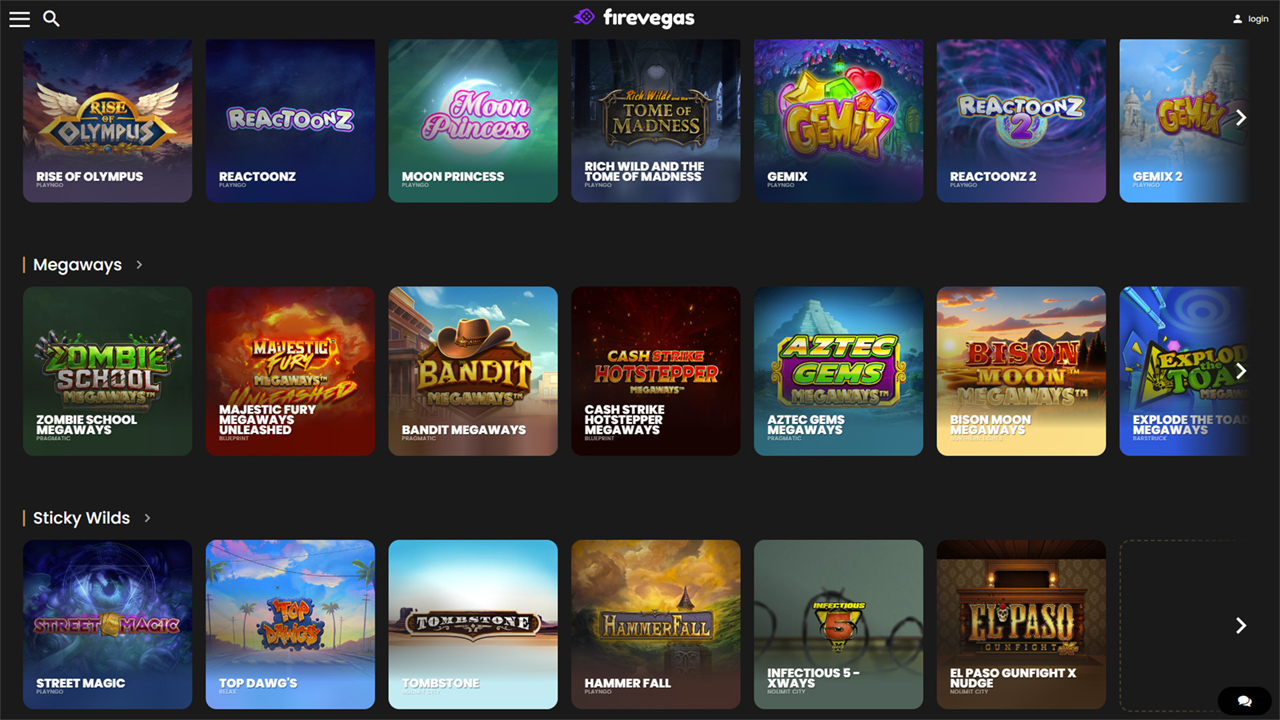
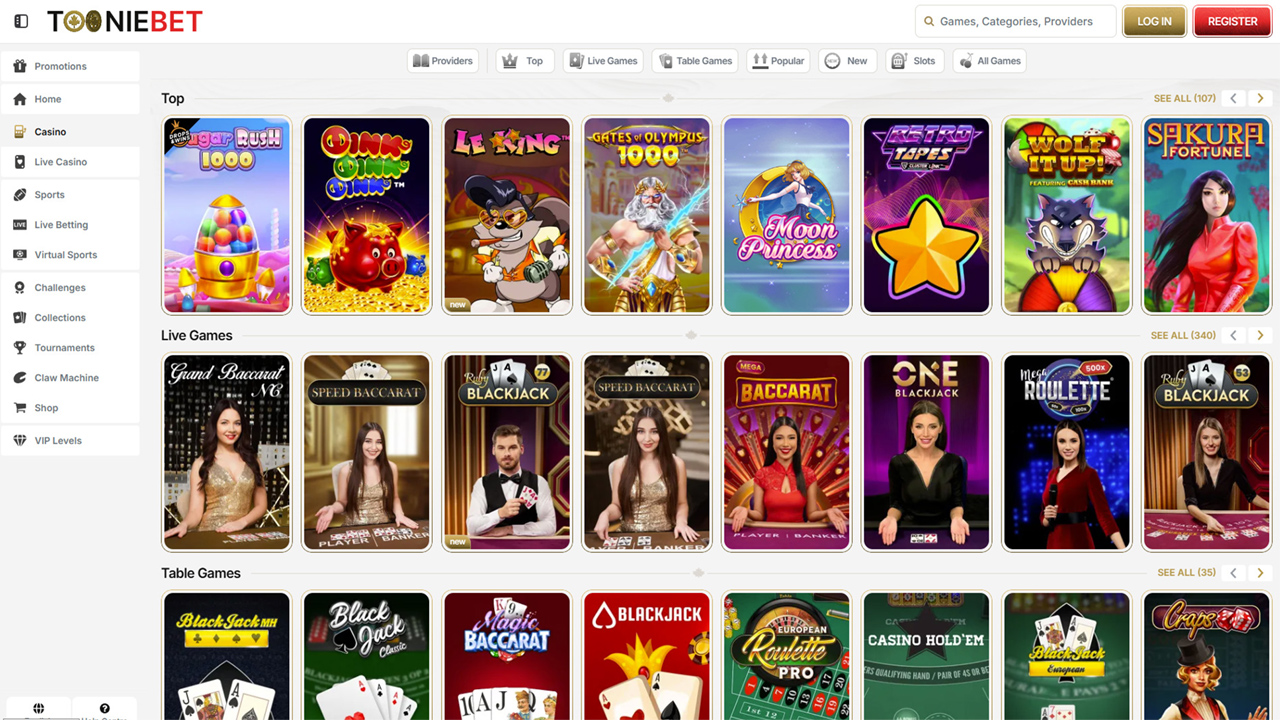
At a digital casino, your primary options span slot games, table classics, and live dealer rooms. Slots dominate with thousands of titles, including progressive jackpots and Megaways mechanics, where you choose coin size and paylines. Table games like blackjack, roulette, and baccarat offer multiple rule variants—European or American roulette, for instance—altering house edge. For betting, you can wager on side bets in poker, or explore crash games and virtual sports, where you predict outcomes in real-time.
Always check the RTP (return-to-player) percentage before betting, as it directly impacts your long-term returns.
Additionally, sportsbook sections let you place straight bets, parlays, and over/unders, while esports betting covers titles like CS:GO. The key is matching your risk tolerance to variance—high-volatility slots for big swings, low-edge table games for steady play.

Comparing Slots, Table Games, and Live Dealer Experiences
Comparing slots, table games, and live dealer experiences hinges on pace and control. Slots deliver instant, high-intensity spins with autoplay features, perfect for solo, fast sessions. Table games like blackjack or roulette offer strategic depth and better odds, but require patience and rules knowledge. Live dealer options bridge the gap, providing real-time interaction and social energy via streamed tables, while slowing the game to a human rhythm. Choose slots for quick thrills, classic table games for calculated play, and live dealer when you crave immersive, casino-floor atmosphere from your screen.
- Slots prioritize speed and visual feedback; table games reward decision-making and statistical edge.
- Live dealer experiences introduce chat features and real-time betting windows, increasing engagement but reducing rounds per hour.
- Bankroll management varies: slots risk per spin, table games risk per hand, and live dealer games often carry higher minimum bets.
Exploring Sports Betting Markets and In-Play Wagers
When you dive into online gambling, sports betting opens up a whole playground of markets beyond simple win/lose bets. You can explore everything from correct score, total goals, or player props to half-time/full-time doubles, letting you match your wager to how well you know the game. In-play wagers take this further, letting you bet live as the action unfolds, with odds shifting every second based on momentum, injuries, or even weather. You can back the next corner, the next point, or the final margin while watching the stream. It feels less like predicting an outcome and more like reacting to a pulse. Just keep an eye on the ticking odds and your bankroll.
What Bonuses and Promotions Should You Look For?
When evaluating online gambling bonuses, prioritize transparent wagering requirements over flashy percentages. Look for promotions with a playthrough multiplier of 35x or lower—anything higher drains your bankroll before you can withdraw. Target bonus offers that suit your game, not generic deals; slots often contribute 100% toward wagering, while table games count far less or not at all. Check the maximum bet allowed during bonus play—a low cap can cripple your strategy. Seek cashback on net losses, which returns a slice of your money without attached playthrough. Also, favor reload bonuses and free spins with no max cashout, as they offer tangible value. Avoid any promotion with hidden time limits under seven days or blacklisted game exclusions that render the offer worthless. Read the terms for each bonus before claiming; the best deals reward consistent, smart play, not risky gambles.
How to Decode Welcome Offers and Free Spins Without Hidden Traps

To decode welcome offers, ignore the flashy percentage and hunt for the wagering requirement multiplier—a 35x bonus playthrough is far kinder than 60x. Check if free spins credit winnings as cash or bonus funds, and scrutinize max bet limits during wagering; a $5 cap can throttle your strategy. Verify game eligibility, since slots often count 100% but table games may contribute a paltry 10%. Also, flag expiry windows—seven-day deadlines force rushed play. Finally, calculate the effective value: divide bonus amount by wagering requirement to see the real cost, and skip offers requiring deposit codes that vanish at checkout.
Loyalty Programs and Cashback Deals: Maximizing Your Value
To truly maximize your value, look beyond flashy welcome packages and scrutinize the ongoing loyalty program structure and cashback fine print. A tiered system that rewards consistent play with free spins or bonus credit is more profitable long-term than a one-off match. Prioritize cashback deals that calculate refunds on your net losses, not just deposits, and check if the percentage increases with your status. Also, verify if cashback is paid as withdrawable cash or locked into wagering requirements, as this drastically affects its real-world worth.
- Compare weekly versus monthly cashback payout frequency to match your playing schedule.
- Seek programs offering reload bonuses as loyalty perks, not just points redemption.
- Confirm whether your loyalty points expire after a period of inactivity to avoid losing accrued value.
- Always calculate the effective return of cashback against the house edge on your preferred games.
How Do You Stay Safe and Gamble Responsibly on These Platforms?
Staying safe starts with setting a hard budget before you even open an app, and treating that sum as the cost of entertainment—never a loan to future winnings. Use every built-in responsible gambling tool the platform offers: deposit limits, reality checks that pop up during play, and self-exclusion timeouts when the fun starts feeling frantic. Play only on networks with verified, encrypted payment gateways, and never save your card details on shared devices. Watch your emotional state—if you’re chasing losses or hiding sessions, that’s your red flag to log off.
Set a timer alongside your budget, because the house wins when you lose track of both.
Finally, gamble only what you’re prepared to lose completely, and always step away when winning—your future self will thank you.
Setting Personal Deposit Limits and Time-Out Features
Setting personal deposit limits is your first line of defense—you decide a daily, weekly, or monthly cap that your account physically can’t exceed, which takes the impulse out of the equation. Most platforms let you adjust these in the cashier section, and increases usually take 24 hours to kick in, giving you a cooling-off window. For immediate brakes, time-out features let you lock your account for a few hours, days, or up to six weeks without deleting your profile. Pair both tools: first, set a realistic deposit ceiling based on your disposable income, then schedule a time-out after each session to force a break. This combo turns vague intentions into hard, enforceable rules.
Recognizing the Warning Signs of Problem Play and Self-Exclusion Tools
Spotting trouble early is your best safety net. Watch for signs like chasing losses, betting more than planned, or feeling restless when you’re not playing. If you notice these, act fast. Most platforms offer self-exclusion tools that let you block access for a set period—use them before things escalate. Here’s a simple sequence to follow: first, set a deposit limit to cap your spending; second, take a mandatory 24-hour cool-off break if you feel the urge to gamble out of frustration; third, trigger a longer self-exclusion (like 30 days) if the urge returns. These tools work only if you’re honest with yourself about the warning signs.
What Common Mistakes Do Beginners Make and How Can You Avoid Them?
The biggest beginner mistake in online gambling is **chasing losses**—you lose a hand, then instantly bet bigger to win it back, which usually digs a deeper hole. Avoid this by setting a strict loss limit before you start and walking away the second you hit it. Another common error is ignoring the game’s rules and house edge, then wondering why your bankroll evaporates. Spend ten minutes reading the paytable or odds first. Also, never gamble tired or drunk; your judgment is already compromised.
Treat your deposit as an entertainment fee, not an investment, and you’ll never feel cheated.
Finally, don’t play multiple games at once—focus on one to learn its rhythm. Stick to these guardrails, and you’ll lose less and enjoy the session more.
Bankroll Management Tips That Keep Your Budget Intact
Beginners often blow their budget by treating every session as a must-win sprint. A core **bankroll management tip** is to split your total funds into fixed, weekly units—never chase losses by doubling stakes after a bad beat. Always set a hard loss limit per day (e.g., 20% of your unit) and step away once it hits. Use separate wallets for gambling and bills, and wager only 1–2% of your bankroll per bet. Tracking every wager in a simple spreadsheet reveals leaks early and stops impulsive “one more spin” traps.
Q: What’s the fastest way to protect my bankroll during a losing streak?
A: Drop your stake by 50% immediately, pause for 24 hours, and re-evaluate your game choice—never raise bets to “win it back.”
Understanding House Edge and Payout Percentages Before You Play
Jumping in without checking the numbers is like betting blindfolded. Your first move should be finding the game’s RTP (return-to-player) percentage, since that tells you the theoretical payback over time. A slot with a 96% RTP still gives the house a 4% edge, which adds up fast. Compare that to blackjack, where basic strategy can push the house edge below 1%. Before you spin or hit “deal,” look for the game’s info screen or the casino’s help page. **Understanding House Edge and Payout Percentages Before You Play** is what separates a fun session from a quick bankroll wipeout.
Q: How do I check a game’s payout percentage?
A: Click the “info” best crypto casinos or “i” icon on the game, or Google the specific title plus “RTP.” Most reputable providers publish it publicly. Blackjack tables also list their rules, which directly affect the house edge.